

Honoring the Land and People
Services

Education
We design and deliver tailored training programs for diverse audiences, including students, farmers, women’s groups, community members, local leaders, and organizational staff.
Our courses can be delivered in person, remotely, or in hybrid formats. Across all learning approaches, we emphasize Participatory Learning and Action (PLA), drawing on the knowledge, experiences, and perspectives already present within communities and organizations.
We are certified in Training of Trainers (ToT) and support the development of local training capacity and leadership.
Whether you need training on rainwater harvesting in dense urban areas, regenerative food systems for your staff, or ToT programs for local leaders, we tailor each course to your specific goals and connect you with the right experts from our network.
Explore the examples below, or contact us to discuss your specific training needs.
-
Asynchronous Introduction Course on Resilience Design & Community-Led Methods
Price: 2,000.00 EUR / group (max. 10 participants)
Timeline: Two-week rolling enrollment (always starts on a Monday)
Format: Remote / Online
GOAL: Increasing awareness of community assets, challenges, and actions to incorporate resilience design into ongoing, transitional, and future projects.
SCOPE: Training provides understanding of Resilience Design, and a guide to (1) assess community food and livelihood resilience and (2) plan next steps for improved resilience.
Course outline:
8 hours of Videos to be completed within 2 weeks
4 hours Resilience Design, including: Global Climate Risks to Food & Livelihood, ID Component of Resilience Design, Learning Observation: Ecological, Infrastructural, & Social Analysis, Framing Response: Mitigation Flow, Rainwater Management, Food Systems Climate Adaptation
3 hours Community Led Methods & Tools Framework, including: Mapping Methods, Training Implementation Tools
1 hour Turning Design into Action Planning
Slack Channel Forum-based Application & Challenges discussion with Maramia Team Feedback
Curriculum Outline (general)
Optional (not included in price): 2-hour intro to adult learning styles & theory (for organizations where teaching adult learners is new)
-
ToT Community Led Resilience Design
Price: 1,000.00 EUR / person (min. 12 participants)
Timeline: 4 weeks online + 1 week in person
Format: Hybrid
GOAL: Training local leaders on Resilience Design & Community-Led Methods
SCOPE: Builds upon the introductory “Asynchronous Introduction Course on Resilience Design & Community-Led Methods,” adding detail to the design process and practicing the methods of implementation through simulation.
Course outline:
Online Asynchronous Resilience Design Overview
Why Resilience Design?
Global & Local Climate Risks Overview
Resilience Design Response
Assets & Challenges Analysis
Social/Political/Environmental
Ecological Analysis Overview
Hazard & Vulnerabilities Assessment
Water & Food Security Assessment
Economics
Circular Economy
Guide to Funding Pursuits
In-Person Participatory Learning Training Simulation
An intensive 5-day activity-based training on methods & tools. In application, this process would span a year (or a given funding period) to allow diverse community involvement and build social systems for long-term implementation capacity. Topics include:
Creating a Learning & Conversational Environment
Defining the Situation
Locally Led & Appropriate Response, Participatory Planning & Goal Setting
Implementation Overview & Checklist
Optional (not included in price):
Cultural Context Curriculum Adaptation
Co-Lead CLRD with the specified community
1 Day (6 hours) Adult Learners Style, Theory, and Effective Teaching (for organizations where teaching adult learners is new)
-
70 h Integrative Training & Implementation
Price: 2,000.00 EUR / person (min. 10 participants). Group rate: 36,000.00 EUR (20 participants)
Timeline: 10 days
Format: in-person & on-site
GOAL: Scenario-based training prepares leaders of CLR trainings to be confident in the implementation of CLR for context-specific applications
SCOPE: In addition to the scope of the COMPREHENSIVE offer (ToT Community Led Resilience Design), the following topics are included:
Resilience Design (Additions)
Increasing Resilience & Productivity
Site Analysis (baseline GIS data data sourcing)
Design Graphics & Creative Problem Solving
Income from Acres
Design for Mitigating Disasters
Working with the Ecosystems (IPM, Weed Ecology, etc.)
Participatory Learning Training (Additions)
Tools to Aids
Microteaching Sessions i
Microteaching Sessions ii
Poster Use and Room Layout
Maintaining the Flow, Group Formation, and Leadership Delegation
Optional (evening sessions, not included in price):
Co-Lead First CLRD with Community
Context Adaptation (e.g., food/water specific, hazard/vulnerability specific)
Hazards Covering: Air quality, drought, erosion & shoreline recession, extreme cold & heat, flooding, high winds, landslides, severe winter weather, water quality, wildlife
Intro to GIS map interpretation (using existing online resources) and application for community resilience
Assessment
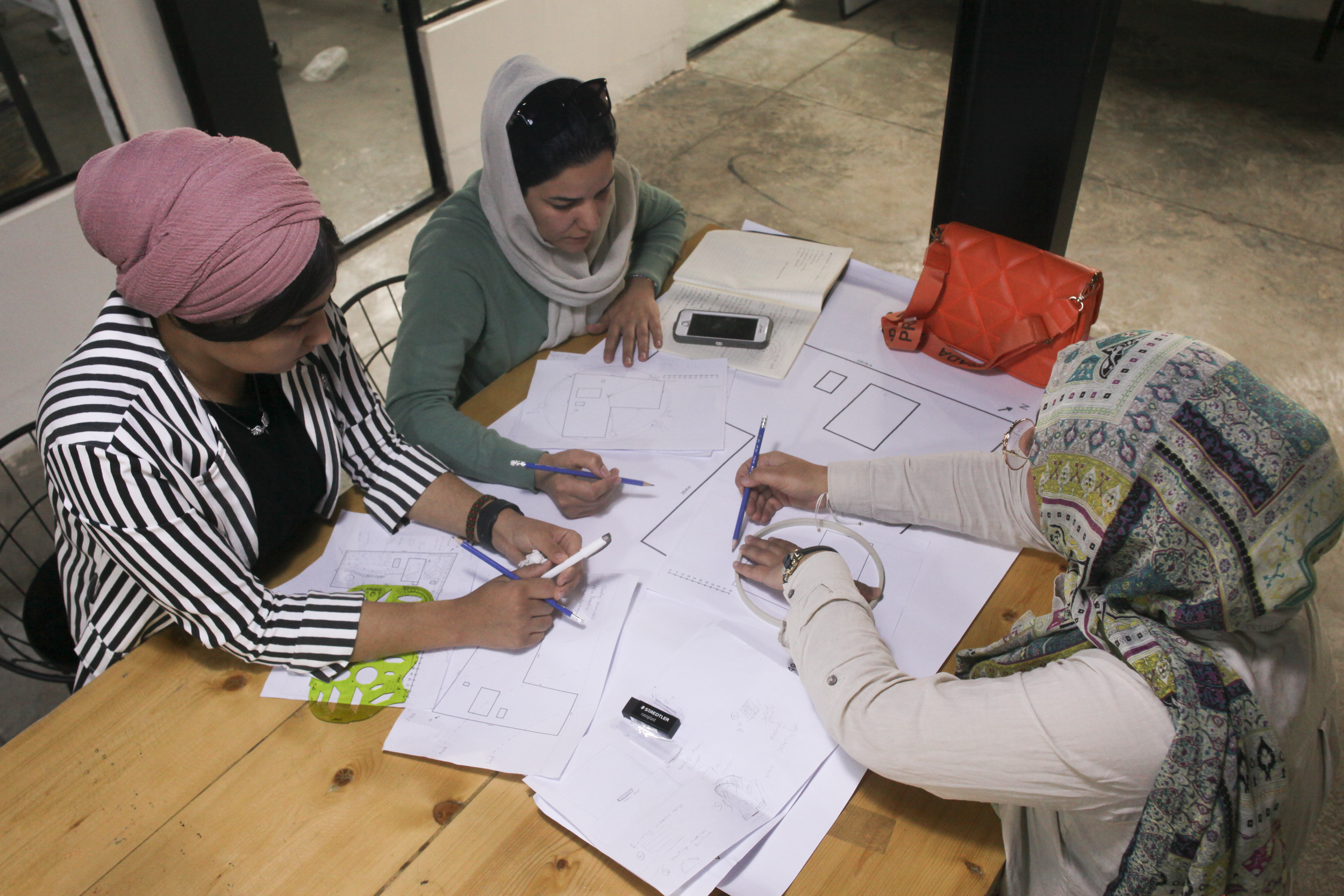
We help organizations assess the resilience of their food security and livelihood projects. Our assessments examine the ecological, climatic, and social conditions of a project to identify the factors that may influence long-term success.
We evaluate key risks such as climate change impacts, water availability and accessibility, social conflicts, infrastructure constraints, and other factors that may affect the project design. We also identify missing considerations and implementation gaps that could reduce project effectiveness.
Based on our findings, we propose practical, locally appropriate mitigation measures that value available resources and existing capacities.
Below are examples ranging from rapid project reviews to more comprehensive resilience assessments, depending on your needs and project context.
-
“Rapid Project Review: Food & Livelihood Resilience”
Price: 2,000.00 EUR
Timeline: 3-4 weeks
Format: Remote
GOAL: The offer provides a quick and high-level review of the resilience of the food security/livelihood-centered project.
SCOPE:
Step 1 (Regional Context Review)
Geography
Climate review
Project objectives
Target communities
Step 2 ( Regional Vulnerability Screening)
Climate risks
Water access
Food system stability
Infrastructure exposure
Step 3 (Resilience Gap Identification)
Missing adaptation considerations
Implementation weaknesses
Long-term sustainability risks
Step 4 (Practical Implementation Recommendations)
Low-cost mitigation measures
Water stewardship opportunities
Immediate actions
Medium-term improvements
Deliverable: Briefing Report
10-15 pages (PDF file)
Including executive summary
Optional (not included in price): 90-minute online review workshop with project staff
-
“Site-specific Food & Livelihood Resilience Project Review”
Price: 8,000.00 EUR
Timeline: 4-6 weeks
Format: Remote
GOAL: The offer provides a detailed and site-specific review of the resilience of food security / livelihood-centered projects.
SCOPE: In addition to aspects covered in the EXPLORE offer (“Rapid Project Review: Food & Livelihood Resilience”), the following is included:Site-specific resource screening (to be collected by client staff on site under the guidance of Maramia):
Identification of available water sources
Identification of soil type and health (qualitative assessment)
Available vegetation and food system
Available infrastructure on site / adjacent to site
Site-specific vulnerability screening
Identification of common site-specific threats (e.g., wildlife, grazing animals, social conflicts) and potential disasters (e.g., flooding, wildfires)
Estimated water needs against availability
Stability of existing / planned food systems and potential gaps
Stability of existing/planned local governance structures
Site Mapping
Sector analysis: mapping of rain/water pathways, wind, sun/shadows, slopes, wildlife, typical site-specific threats
Spatial Planning: base and sector map outlining all elements identified in sector analysis
IV. Resilience Roadmap, i.e., implementation plan (report 20-30 pages) including:
recommended site-specific actions
indicative budget considerations
funding and partnership needs
Optional (not included in price):
In-person data collection by Maramia
rapid GIS-supported spatial analysis
Online workshop with project staff (2 x 90 minutes)
Design
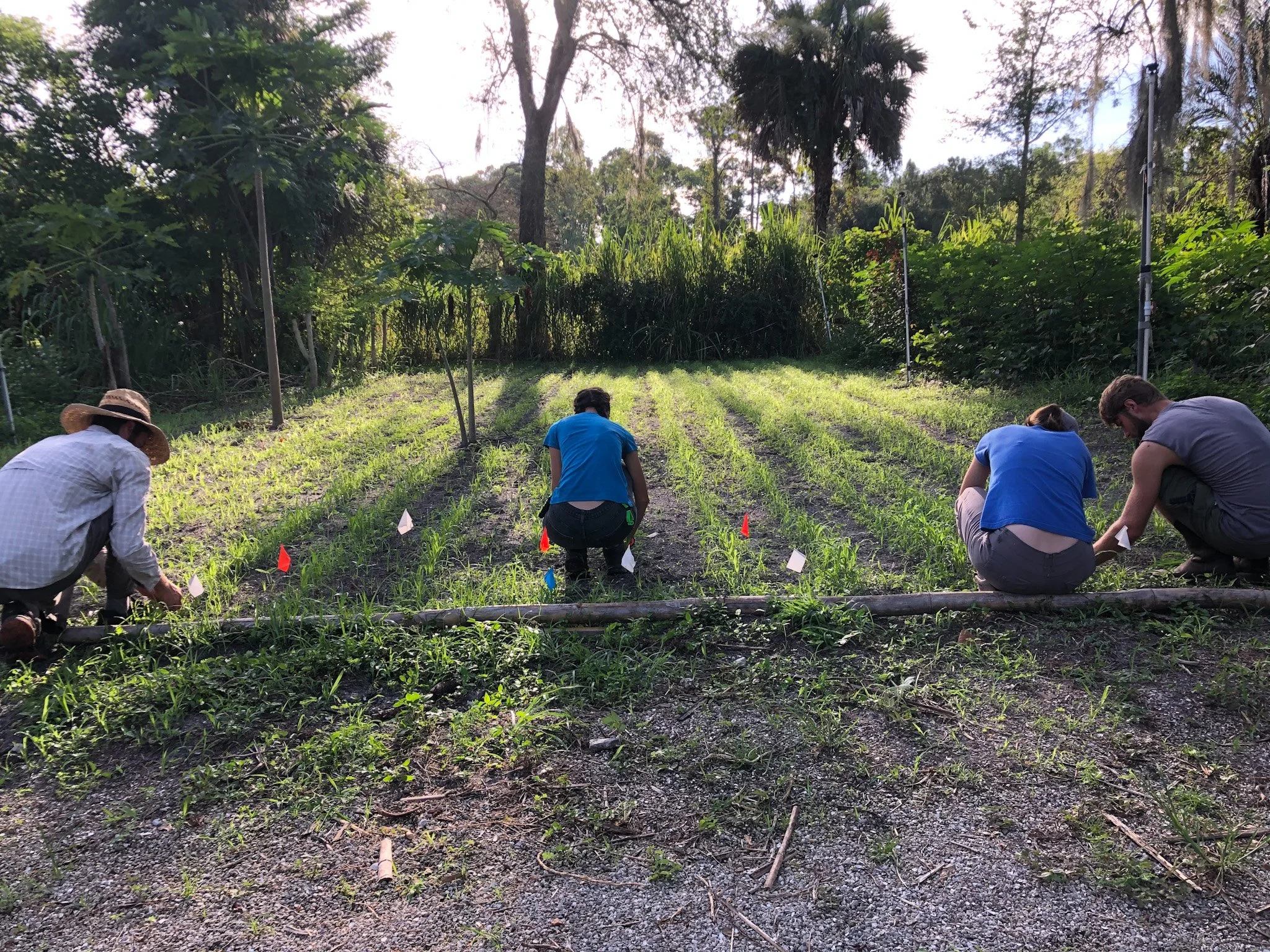
Building on the findings of our assessments, we develop site-specific designs that strengthen food systems, support local livelihoods, and increase long-term resilience. Our designs aim to create systems that are accepted, maintained, and supported by local communities.
Our approach combines scientific knowledge with ethical principles that honor both land and people. Inspired by reciprocity-based approaches, we design with communities and consider the well-being of future generations.
We support implementation alongside local staff and community members, making use of locally available resources, skills, and capacities wherever possible.
The examples below illustrate some of our design and implementation services. Since every project is different, we tailor our support to your specific needs. Contact us to discuss your project.
-
Transformation
“Community-Led Resilience Design & Implementation Support”
Price: depends on multiple factors. Will be specified in an official quote.
Timeline: can be aligned to the project timeline and client needs.
Format: In-person and on-site
GOAL: Inclusion of the local community in the assessment, design, and implementation process of the food resilience/livelihood project.
NOTE: Assumes that the assessment “Site-specific Food & Livelihood Resilience Project Review” has been carried out or will be commissioned, too.
SCOPE:
Community-led resource and vulnerability screening
participatory mapping of local resources and risks
Identification of climate and livelihood vulnerabilities from a community perspective
locally appropriate adaptation and food-water resilience strategies (building on existing knowledge within the community)
Community-led Resilience Design
Water systems: rainwater harvesting and infiltration strategies, greywater reuse
Food systems: regenerative methods, perennial production systems
Soil & Ecosystem: soil regeneration, revegetation strategies, and erosion control
Community systems: local ownership mechanisms, maintenance structures
Deliverable: implementation-oriented resilience design
Implementation
Guidance and support for the local community and organisation during the implementation phase
“Foodscaping and watershed management for urban/crowded spaces”
Price: depends on multiple factors. Will be specified in an official quote.
Timeline: can be aligned to the project timeline and client needs.
Format: In-person and on-site
GOAL: Assessment, design, and implementation of foodscaping project for urban-specific context.
SCOPE:Defining the context:
Identify relevant stakeholders (e.g., camp manager, mayor, city council, citizens)
Determining the objective of the project, besides food generation (for urban/crowded spaces, objectives influence the assessment, e.g., the project shall further combat the urban heat island effect, increase social cohesion, or mitigate disasters (flooding).
Site-specific resource screening
Identification of available water sources
Identification of soil type and health (qualitative assessment)
Available infrastructure on site / adjacent to site
Site-specific vulnerability screening
Identification of common site-specific threats (e.g. vandalism, social conflicts, site includes pathways/streets)
Estimated water needs against availability
Presence of materials & infrastructure on site / adjacent to site that influence micro-climate / ecosystem (e.g., tall buildings, large amounts of concrete areas, trees, large streets/highways, extensive light sources, dense housing area)
Stability of existing/planned local governance structures
Site Mapping
Sector analysis: mapping of (adjacent) buildings, rain/water pathways, water overflow options, wind (tunnels), sun/shadows, slopes, typical site-specific threats
Spatial Planning: base and sector map outlining all elements identified in sector analysis
V. Community-led Resilience Design
Water systems: rainwater harvesting and infiltration strategies, greywater reuse, overflow systems, flood mitigation
Food systems: according to defined main objectives (e.g., kitchen garden or food forest)
Mitigation measures for urban contexts: according to defined main objectives (e.g., combat urban heat island effect, flooding, support biodiversity)
Community systems: local ownership mechanisms, maintenance structures
Deliverable: implementation-oriented resilience design
VI. Implementation support
Guidance and support for the local community and organisation during the implementation phase
* All offers are subject to Terms & Conditions, which will be specified in an official proposal. All prices are excluding taxes and expenses.
1
Community-led
We work alongside local people and organizations to ensure solutions are developed, maintained, and owned by the communities they serve.
Our Approach
2
Practical Solutions
We focus on realistic, context-specific interventions that use available resources, local capacities, and proven approaches.
3
Resilient Success
We design systems that strengthen livelihoods, ecosystems, and communities for lasting social and environmental benefits.
FAQs
What are the costs of your services?
Each project has different needs and opportunities. Thus we choose not to list generic price points on our site. We work with your budget and our team’s capacity to establish a cost that works well for the desired outcome. Get started by submitting your concept today, and we can create a cost estimate based on your specific needs.
How long does it take to start work?
We are a small growing team that provides an honest outlook on our capacity and your timeline. Submitting an inquiry and a hoped timeline today is the best starting point!