
Build Real Resilience for Semi-Arid Living
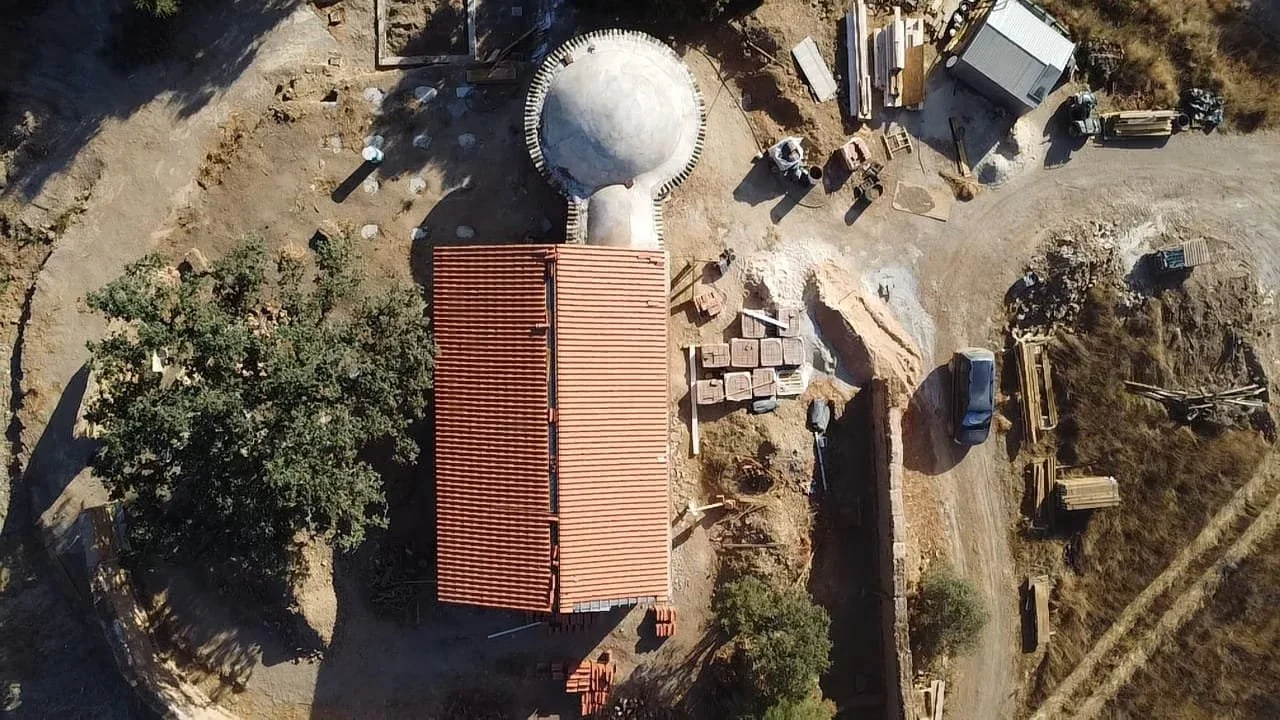
Portugal Site
Semi-Arid Homestead Resilience is an advanced hybrid course for individuals familiar with ecological design who want to apply it in areas where water scarcity, heat stress, and climate uncertainty are daily realities. Designed for practitioners, land stewards, and self-reliant households in semi-arid regions, this course bridges rigorous theory with hands-on implementation on a working permaculture site in Portugal.
Through a structured online program followed by an in-person practical module in the Faro District, participants develop and test home-scale solutions for rainwater harvesting, passive solar design, and perennial food security. The course goes beyond individual systems to address social permaculture and community resilience, recognizing that long-term viability depends as much on people and relationships as it does on land and infrastructure.
Led by experienced ecological designers and educators with backgrounds in permaculture, sustainability, and community-based resilience work, this course is for those ready to turn theory into implementation, and to do so with clarity, confidence, and ecological integrity.
Who We Are
Marmia Ecological Design is a group of ecological educators, designers, and sustainability consultants focused on holistic systems thinking and client-tailored programs with a scientific foundation. Our focus is on restoring relationships between land and people on the frontlines of climate change through ecological design, education, and community-led resilience planning. Our teaching practices draw on 15+ years in the NGO/IGO sector with an emphasis on food security/sovereignty and a participatory learning approach.
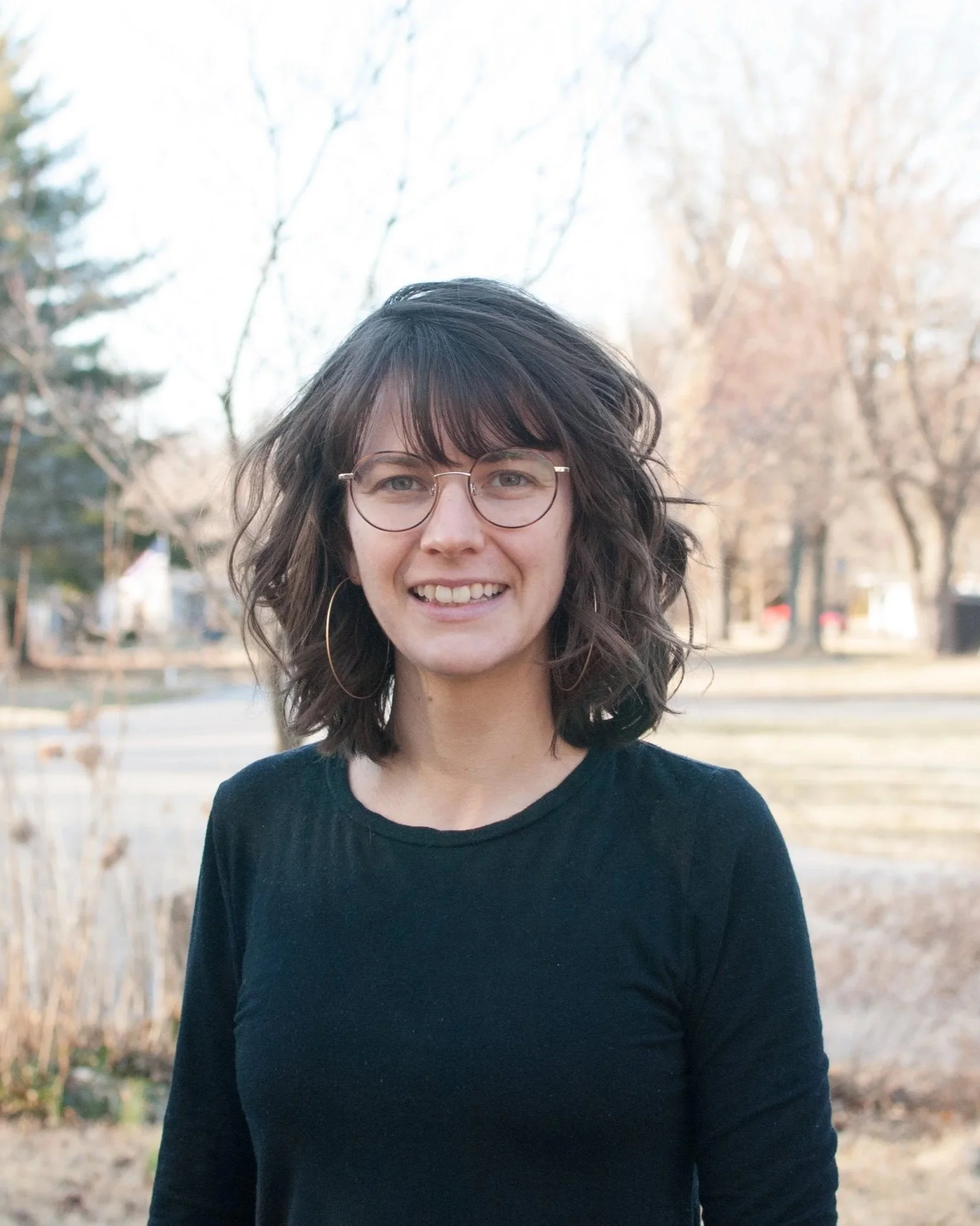
Kayla Hatcher, MSc
Kayla (she/her) holds an M.S. in Ecological Design from the Conway School of Landscape Design, United States. She has also received certifications in training trainers, wastewater management, and permaculture. Over the past 12 years, she has worked in the NGO sector both domestically and internationally in project management, ecological design, education, and marketing. Kayla has worked in the tropics, subtropics, Mediterranean, semi-arid, arid, and monsoonal climates with an emphasis on edible plants and rainwater harvesting.

Ruaa Ahmad, PhD & Co-Founder
Ruaa (she/her) holds a PhD in Chemistry from the University of Heidelberg, Germany. She has been working as an environmental consultant for more than nine years. Her experience spans providing technical and scientific expertise, project management, and teaching for a wide variety of clients from industry, NGOs, IGOs, and academic institutions. Ruaa brings with her knowledge of Permaculture, Regenerative Agriculture, Chemistry, and Product Sustainability.
12 Principles Permaculture Design is an education and consulting organisation. Our talented and experienced associates offer a wide range of learning opportunities and are capable of assessing, designing, and implementing training based on the ethics, principles, and strategies of permaculture.
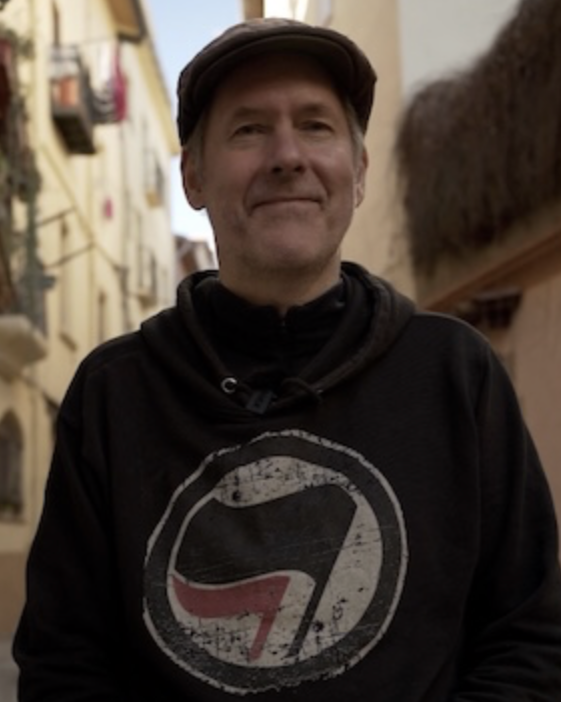
Alfred Decker, MSc
Alfred (he/him) is an award-winning permaculture designer; the Education Coordinator of Permaculture For Refugees; a certified educator with the Permaculture Association of Britain; a leading voice in Social Permaculture; and one of Europe’s innovative permaculture educators. His journey into ecological design began in 1998 when he completed his first Permaculture Design Course in California. Since then, Alfred has been involved with social movements and projects across many borders. He is the founder of the 12P Permaculture Design consultancy, Permacultura Barcelona, and the Forest Gardens project at Can Masdeu; is a co-founder of the Spanish Permaculture Academy (Academia de Permacultura Íbera); and was a member of the European Permaculture Teachers Partnership and the Permaculture Council of Europe. Alfred holds a postgraduate diploma in sustainable architecture and renewable energy (Centre for Alternative Technology).
DATES
Weekly Online: 3 March - 14 April
(3, 10, 17, 24, 31 March; 7, 14 April)
Portugal (Faro District): 30 April - 4 May
Further details on the exact location will be provided once full payment for the course has been received.
COST
€990 Hybrid: Online/Portugal
Cost excludes housing, meals, and transit. Lunch will be provided on-site in Portugal. Camping space (RV or tent) is free for dates in Portugal.
Payment Timeline
50% (€495) due by 20 January 2026
100% (€990) due by 17 February 2026
Pre-Registration Form
Please note there are 25 slots for this course. Pre-registration holds your spot on a first-come, first-served basis, but does not guarantee you a slot in the course. Those beyond the initial 25 will be added to a waiting list.